Halogen-free cables
We’re taking fire safety to the next level by removing all cables containing PVC from our product range. This change is a significant improvement in safety. Watch the video and you’ll see why.
If the video doesn’t appear above, watch it on YouTube.
What is a halogen-free cable?
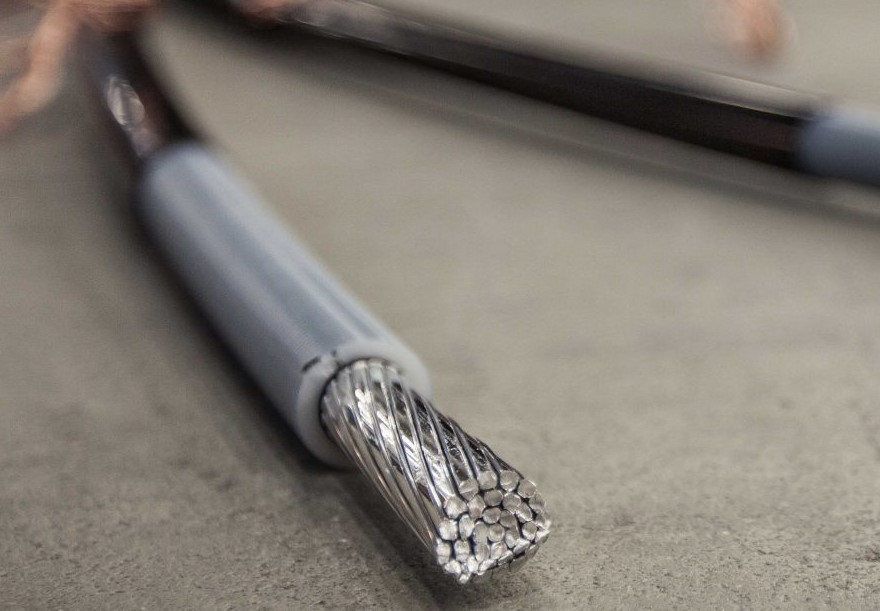
Halogens are chemical elements that include fluorine, chlorine, bromine, iodine, and astatine. Halogen-free cables do not contain these substances, making them highly safe in the event of a fire, as they do not emit harmful gases or produce thick black smoke when burning.
Halogen-free cables can be used in all types of environments – residential buildings, hospitals, airports, as well as public and commercial spaces. They are also well suited for industrial sites and data centers.
Which one would you choose?
Halogen-free cables are often compared to PVC cables, which use polyvinyl chloride (PVC) in their insulation and sheathing. For example, chlorine – one of the halogens – is present in PVC, meaning that when PVC cables burn, they produce dense black smoke and release corrosive hydrogen chloride gas. This poses a risk to both people and property.
What is CPR?
The CPR fire classification provides information about a product’s fire safety and makes it easier to compare products available on the market.
See a summary of CPR fire classifications in Estonia, Lithuania, Latvia, Finland, Sweden, and Norway.
Four reasons to choose a halogen-free cable
1 Easy to strip and affordable
In the video, entrepreneur Jukka‑Pekka Vähätalo shares his experiences with the handling properties of halogen‑free installation cables. His electrical installation company has extensive experience with Reka’s halogen‑free cables.
If the video doesn’t appear below, watch it on YouTube. Read also the story and explore installers’ first impressions of halogen-free cables.
2 Improves escape and evacuation
Halogen-free cables provide valuable extra seconds for evacuation during a fire. Unlike PVC cables, they do not produce thick black smoke, which improves visibility and makes evacuation easier – when every minute counts.
Watch the video to see a comparison of smoke development between a PVC cable and a halogen-free cable during a fire.
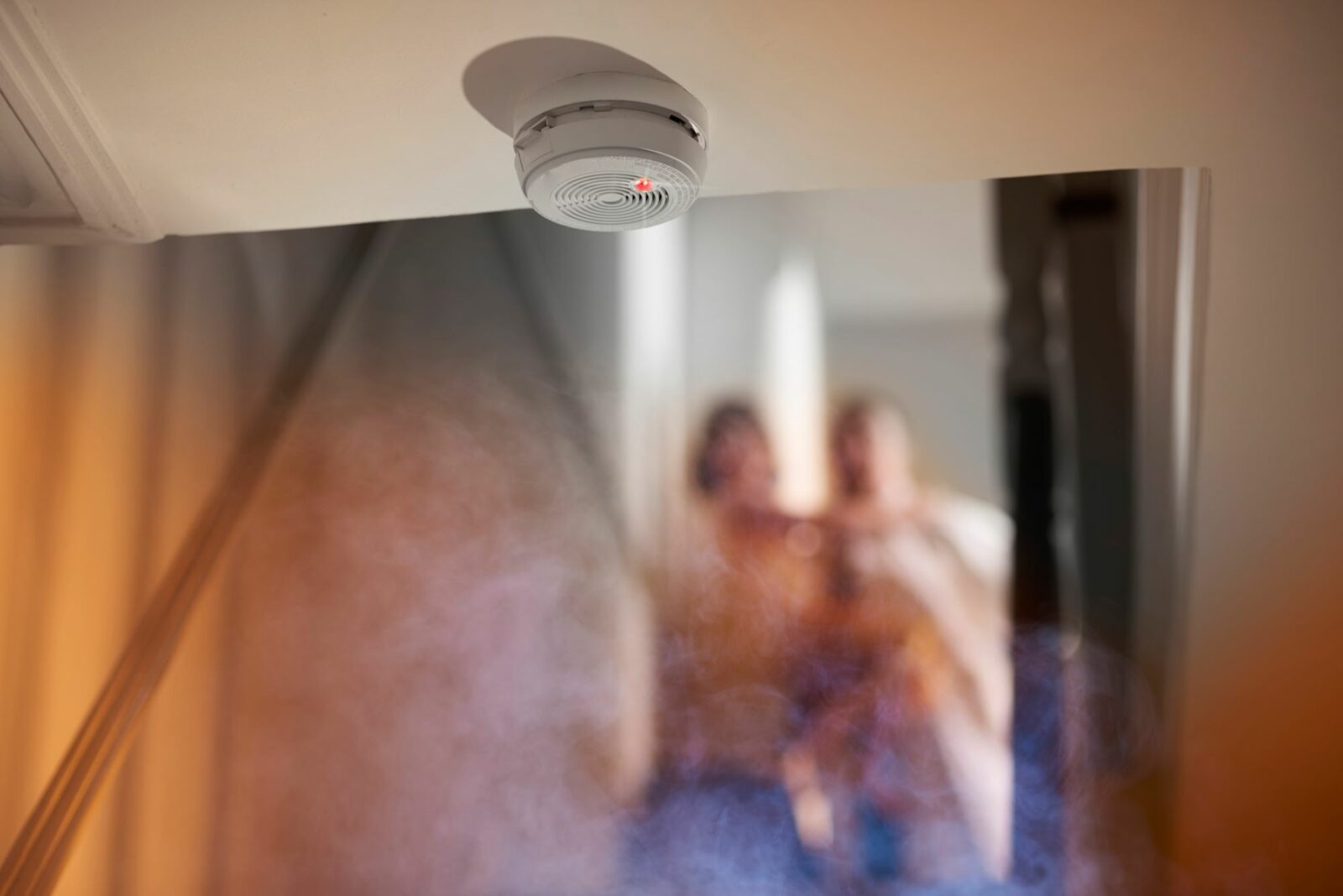
3 Less damage to property
Unlike PVC cables, halogen-free cables do not emit corrosive or acidic gases when burning. These gases can harm electronics, furnishings, and building structures. Halogen-free cables help reduce secondary damage, speed up the reusability of spaces, and can significantly lower the total cost of a fire.
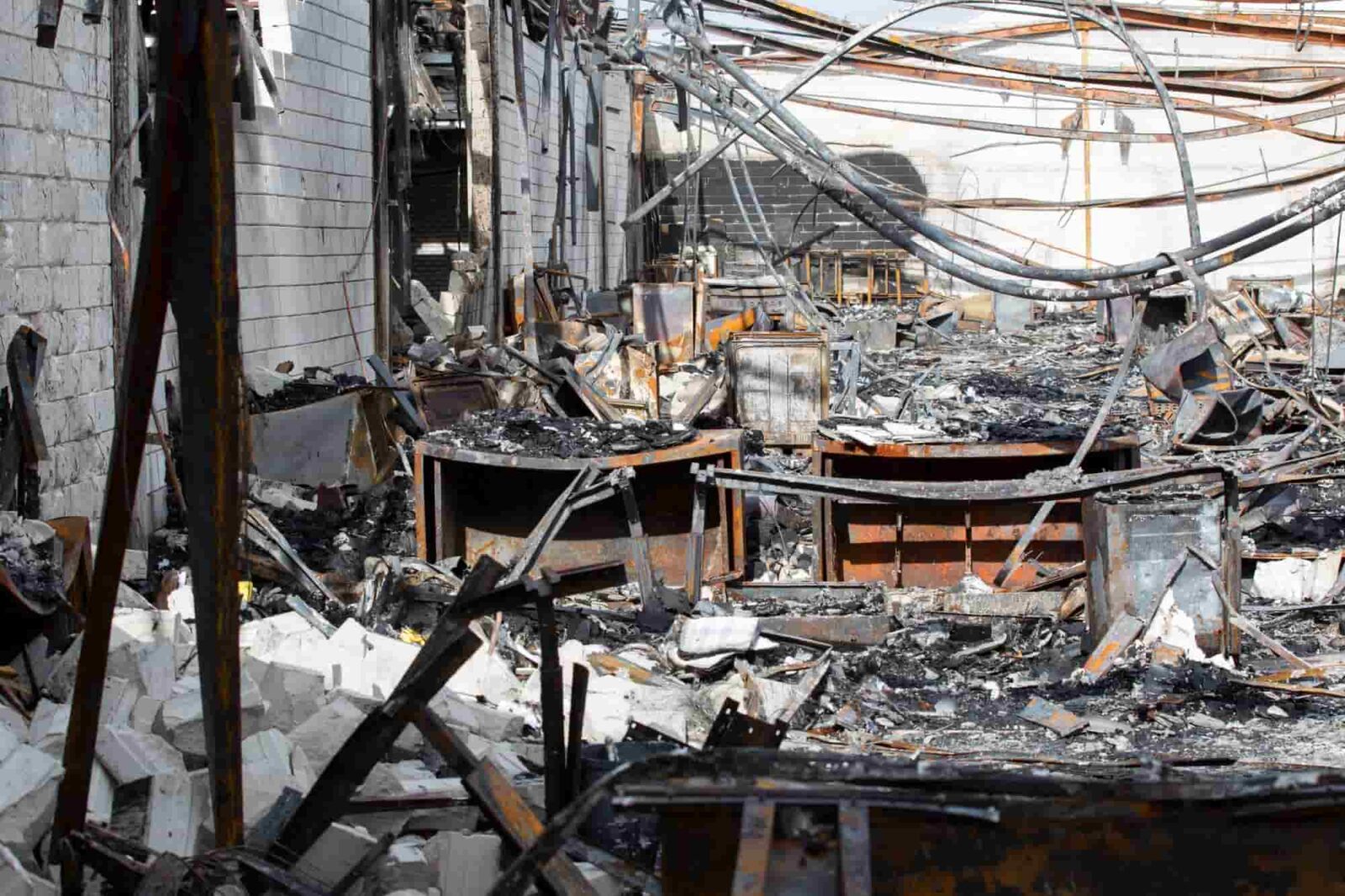
4 A safe choice – now and for the future
Halogen-free cables are designed to reduce the fire-related risks associated with PVC cables. They are a safer choice – also for future generations. Escape safety is something that concerns us all. Always choose and recommend halogen-free cables. It’s a concrete act of safety.

A cable you can be proud of!
In the world of construction and electrical installations, PVC cables are still widely used. The halogen‑free Helppo product family cables manufactured in Finland by Reka Cables have been tested and approved to CPR class Dca‑s2,d2,a2. These are safe and modern alternatives that will gradually replace traditional PVC‑based cables.
Halogen-free cable – for the safety of society
At Reka Cables, we hope to see a shift away from the use of PVC-based cables in buildings – for a safer future.
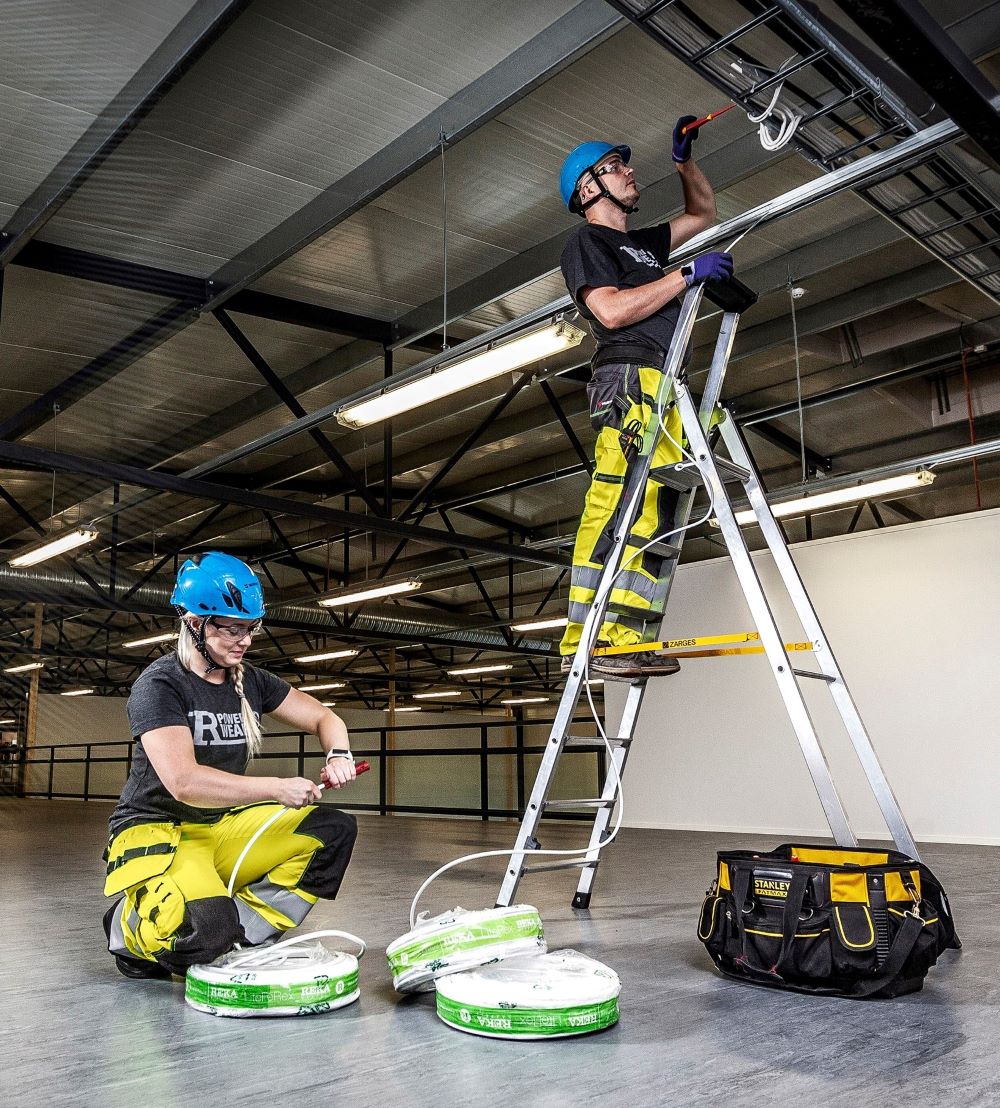
Electrical cable types
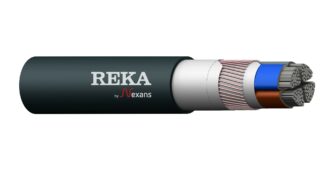
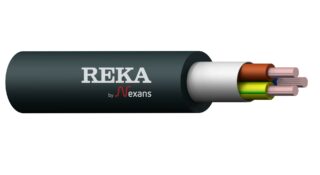
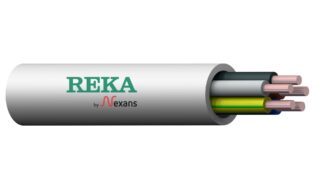
The Reka by Nexans range includes installation, control and instrumentation cables, fire-resistant cables, power cables, as well as medium- and high-voltage cables.