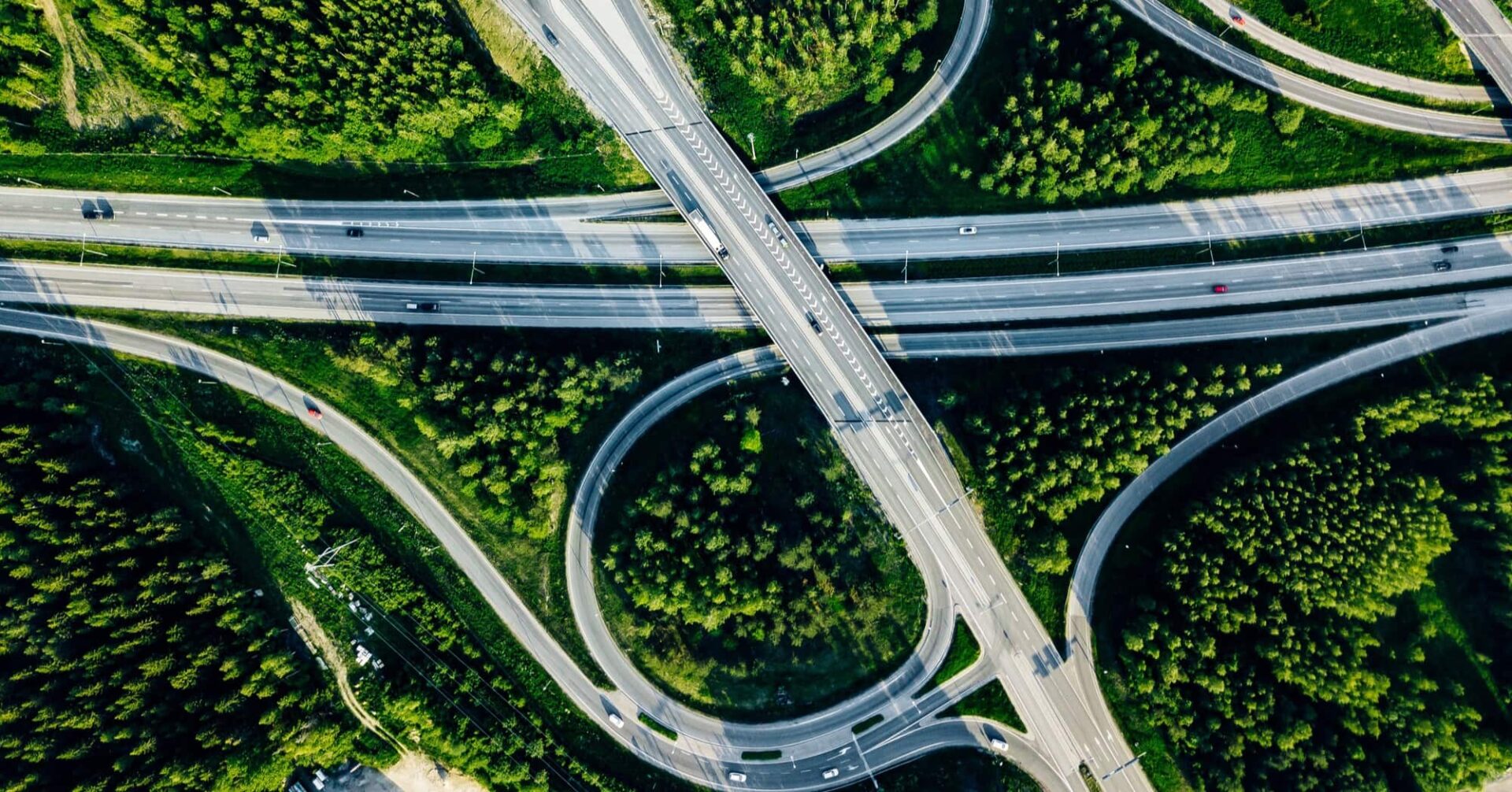
One kilometre of cable can represent emissions equivalent to driving a petrol car for up to 30,000 kilometres. Yet cable choices are rarely seen as climate decisions.
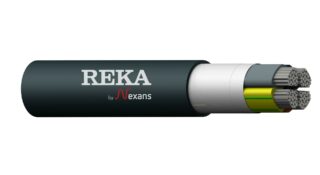
Choosing 1 kilometre of AXMK/PE Low Carbon cable instead of a conventional alternative reduces emissions by approximately 6,000 kg CO₂e. That sounds like a big number – but it quickly becomes easier to understand when compared with everyday activities.
This is equivalent to approximately 30,000 kilometres of driving a petrol car, based on average emissions of around 190 g CO₂/km. In other words, one cable choice can have the same impact as leaving a car unused for almost two years in Finland.
Another way to put the same impact into perspective:
The same emissions reduction is equivalent to the annual carbon sequestration of approximately 270 trees.
One individual material choice can therefore have an annual impact equivalent to that of an entire small woodland.
The impact becomes even greater in large-scale projects
The impact is already significant in a single project. When the same approach is scaled up to data centres or major infrastructure projects, the impact quickly multiplies.
This is precisely why material choices are becoming an increasingly important part of comprehensive emissions management.
Why does this matter now?
In the built environment, many decisions affecting climate impact are made “behind the scenes”. That is precisely why their potential is so significant.
At the same time, growing market demand for lower-emission construction is increasingly reflected in material choices. Sustainability is no longer just an added value; it is becoming a key part of design, procurement and competitiveness.
This is not the future. It is already happening.
That is why we at Reka by Nexans also want to respond to this market shift and offer solutions that enable lower-emission construction, including in cable installations.
AXMK/PE Low Carbon cable is one example of this development. It is manufactured using low-carbon and recycled raw materials, enabling a significantly smaller carbon footprint.
Looking ahead: towards a future with less PVC
The transition is not limited to individual products.
The construction and infrastructure markets are moving towards solutions in which material choices play an increasingly important role in reducing emissions. One key direction is also reducing the use of PVC plastic.
This is a transition we want to actively help drive.
Reka Cables is committed to reducing the use of PVC and aims to phase it out of its product portfolio by the end of 2027. Our goal is to be a pioneer in this development and show the market how cable solutions can be made more sustainable.
This is not a passing trend, but part of a broader transformation in how construction will be carried out in the future.
Tuomas Rokka, Director of Product Management
Reka by Nexans
Sources and calculation methodology
Cable emissions reduction
The carbon footprint of AXMK/PE LC 4×95 S Low Carbon cable is approximately 6,000 kg CO₂e/km lower than that of the equivalent standard product. The comparison is based on the use of low-carbon aluminium and recycled polyethylene (rPE) in the Low Carbon product.
Petrol car emissions
The comparison uses an estimated average CO₂ emission level of 190 g CO₂/km (0.19 kg CO₂/km) for a petrol car. Actual emissions vary depending on factors such as the vehicle, its age and driving style.
Further information on car CO₂ emissions: In Finnish: Scrappage Incentive 2026–2027 – K-Auto.
Comparison with driving kilometres
6,000 kg CO₂e ÷ 0.19 kg CO₂/km ≈ 31,600 km.
The emissions reduction achieved by choosing one kilometre of Low Carbon cable is therefore equivalent, in order of magnitude, to the emissions generated by driving an average petrol car for approximately 30,000 kilometres, using the emission factor stated above.
Comparison with tree carbon sequestration
The comparison uses an estimated average carbon sequestration rate of 22 kg CO₂ per tree per year. Carbon sequestration varies considerably depending on factors such as tree species, age, growing location and growing conditions.
6,000 kg CO₂e ÷ 22 kg CO₂/tree/year ≈ the annual carbon sequestration of 270 trees.