Low-carbon aluminium for the infrastructure of tomorrow
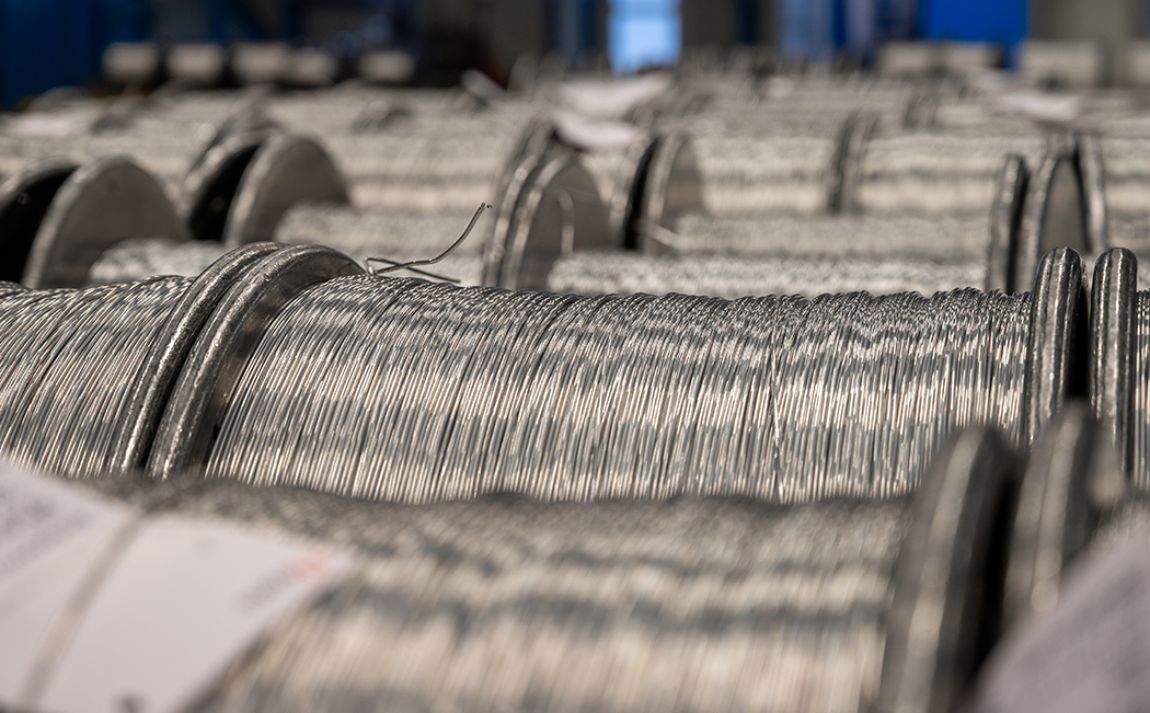
Electrification and the expansion of Nordic power grids require major and long-term investments. At the same time, expectations regarding the carbon footprint, traceability and documentation of the materials used continue to grow. Through a long-term agreement with Hydro, Nexans has secured access to low-carbon aluminium, supporting efforts by both Nexans and our customers to reduce carbon emissions across the value chain.
Earlier this summer, Nexans and Hydro announced a long-term agreement for the supply of low-carbon aluminium. The agreement covers approximately 85,000 tonnes of aluminium wire rod over five years.
The agreement is global, but the opportunities it creates are highly relevant to the Nordic market. As investments in power grids, electrification and energy infrastructure continue, attention is shifting beyond product performance to include the materials behind the products and their carbon footprint.
Material choices that stand the test of time
For customers, this is about more than reducing emissions. Transparency, traceability and access to verifiable information are becoming essential considerations in procurement, carbon accounting and sustainability reporting.
Kari Ingalsuo, Sustainability Manager, Reka by Nexans:
“Access to low-carbon aluminium creates real value for both our customers and Reka by Nexans, enabling low-carbon cable solutions and supporting climate targets. As sustainability reporting and regulatory requirements continue to grow in importance, greater transparency across the supply chain and credible, verifiable emissions reductions are becoming increasingly important.”
Long-term access and predictability
The Nordic energy transition requires major, long-term investments in power grids and other critical infrastructure. This makes reliable access to materials and greater predictability key considerations for the years ahead.
As demand for low-carbon aluminium grows, securing long-term access is strategically important for both Nexans and our customers. It also supports efforts to reduce Scope 3 emissions across the value chain and provides greater predictability for infrastructure investments with lifecycles spanning several decades.
 – For our customers, this agreement is about more than securing access to a material. It is about creating better conditions for long-term infrastructure investments by combining low-carbon materials with traceability and greater predictability. At the same time, the agreement demonstrates the importance of collaboration across the entire value chain. If we are to reduce carbon emissions, we need to do it together with our suppliers, customers and other partners, says Stéphane Jetté Managing Director, PWR Grid & Connect BU Nordics.
Working together
For Nexans in the Nordics, the Hydro agreement is therefore part of a bigger picture: how material choices, product performance, carbon footprint, traceability and long-term supply capabilities can together support continued electrification.
No single material choice can solve every challenge. But long-term partnerships such as this can help create the conditions for the infrastructure and transition we need tomorrow.
Read more about the global agreement between Nexans and Hydro on our Groups homepage.